Dental Implants: A Comprehensive Guide to Modern Tooth Replacement
Wiki Article
Dental implants have revolutionized the field of restorative dentistry, offering a durable and great looking solution for many who have lost teeth on account of injury, decay, or disease. Unlike traditional dentures or bridges, Same Day Dental Implants Batavia IL give a permanent replacement that mimics the function and check of natural teeth. In this article, we’ll explore what dental implants are, what sort of procedure works, their benefits, risks, and who generally is a good candidate.
What Are Dental Implants?
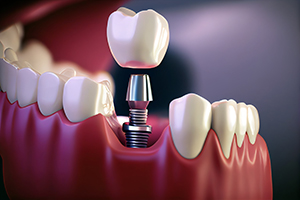
Dental implants are small, screw-like posts typically created from titanium that serve as artificial roots for replacement teeth. They are surgically inserted in to the jawbone, where they bond using the bone by way of a process called osseointegration. Once the implant is securely anchored, a custom-made crown is attached, completing the restoration.
The Dental Implant Procedure
The dental implant process generally involves several stages:
Initial Consultation: A dentist or oral surgeon evaluates the patient’s dental health, takes X-rays or 3D scans, and develops remedy plan.
Implant Placement: The titanium post is surgically implanted to the jawbone. Healing will take several months because bone fuses while using implant.
Abutment Placement: Once healed, a small connector called an abutment is attached to the implant.
Crown Attachment: A custom crown, shaped and colored to match the surrounding teeth, is fixed towards the abutment.
Some patients could also require bone grafting before implant placement when there is insufficient jawbone density.
Benefits of Dental Implants
Natural Appearance: Implants appear and feel like natural teeth.
Durability: With care, implants may last for decades.
Improved Oral Function: They restore full chewing power and remove the discomfort of removable dentures.
Bone Preservation: Implants stimulate the jawbone, preventing bone loss that develops with missing teeth.
Speech and Confidence: They improve speech and boost self-esteem through providing a stable, attractive smile.
Risks and Considerations
While dental implants are often safe, they carry some risks:
Infection on the implant site
Nerve damage, which can cause pain or numbness
Implant failure as a result of poor osseointegration, specifically in smokers or people who have chronic conditions like diabetes
Sinus issues if implants inside the upper jaw protrude into sinus cavities
These risks are relatively rare, specially when the procedure is performed by an experienced professional.
Who Is a Good Candidate?
Ideal candidates for dental implants:
Have healthy gums and adequate bone density
Are free of chronic illnesses that impair healing
Maintain good oral hygiene
Do not smoke or are prepared to quit throughout the healing process
Even people who don’t meet all the criteria may still be eligible with additional treatments like bone grafting or sinus lifts.
Dental implants can be a reliable, long-term solution for referred to as that restore both function and aesthetics. Though the process may be lengthy as well as a surgical procedure, the outcomes are often life-changing. If you're considering dental implants, consult with a qualified dental professional to determine the best plan for your individual needs.